

Little Shop of Coral
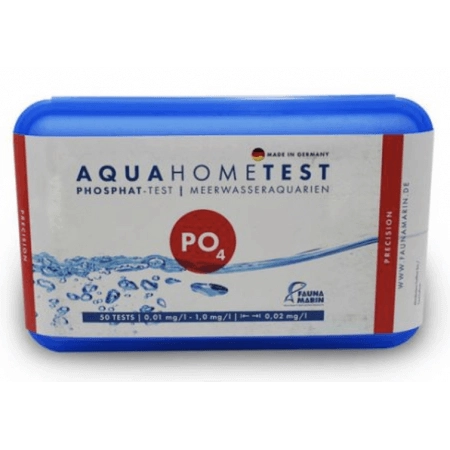
Fauna Marine AquaHome Test PO4
Fauna Marine AquaHome Test PO4
Couldn't load pickup availability
Fauna Marin AquaHome Test PO4
Keeping the right balance of nutrients in your reef aquarium is a big part of maintaining healthy, colourful corals. The Fauna Marin AquaHome Test PO4 makes it simple to monitor phosphate levels and gives you the information you need to keep your aquarium running smoothly.
Phosphate is something every aquarium naturally produces, but levels that are too high can lead to unwanted algae growth and may affect coral health. On the other hand, a reef with extremely low phosphate can also struggle. Finding the right balance is key, and regular testing helps you stay ahead of any changes.
The AquaHome Test PO4 is designed for marine and reef aquariums, providing hobbyists with an easy and dependable way to check phosphate levels and make adjustments with confidence.
Why use the Fauna Marin AquaHome Test PO4?
-
Helps keep phosphate levels in a healthy range
-
Makes it easier to understand your aquarium’s nutrient levels
-
Helps prevent unwanted algae issues
-
Supports better coral growth and colour
-
Easy to use for both new and experienced reef keepers
How to use
Using the AquaHome Test PO4 is simple. Collect a small water sample from your aquarium, add the provided reagents as directed, and compare your results using the included testing instructions. Regular testing will help you understand how your aquarium is changing and allow you to make adjustments before problems develop.
Why we love it
A successful reef aquarium is all about stability, and knowing your water parameters is one of the best ways to achieve that. The Fauna Marin AquaHome Test PO4 gives reef keepers a reliable way to track phosphate levels and make confident decisions when caring for their corals. It’s an essential tool for anyone looking to maintain a healthy and thriving reef.
Collapsible content
LIGHT
LOW: Place coral at the bottom of the tank. Depending on the type, coral may need to be placed off sand and therefore mounted on a ceramic disc of piece of rock.
MEDIUM: Place coral at mid-range of the tank. Best placed/glued on top of a rock scape at mid-range height.
HIGH: Place coral from mid range to just below water level. SPS coral are shallow growing so they require and are able to tolerate intense light.
FLOW
LOW: Most soft coral do well with a small, gentle pulse. There are certain corals that can even be placed in areas of indirect flow, meaning places aside a rock structure or set into a entrance to a cave style space.
MEDIUM: Many LPS types of coral prefer medium pulse current. Most Euphyllia or corals that have more tissue structure connected to their skeleton, don’t like to be in a high flow area like the direct flow of the wave pump.
HIGH: Similar to high light, SPS enjoy being in some heavy current. Most LPS and SPS that branch encrust or plate prefer high flow that simulates the top water waves.
SKILL
ENTRY: While some may say beginner level, "Entry" is a good term to be used when starting out in the world of corals and marine life. Prior to adding livestock, you want to ensure that your reef has the proper parameters including zero levels of ammonia and nitrite. Seeing traces of nitrate in your waters is a good sign - just keep them at a lower level of 2ppm to 10ppm. Maintaining correct temperature and salinity are a huge factor to stable parameters. Starting to monitor your PH, alkalinity, calcium and magnesium is a great habit to get into to keep a successful reef.
While some soft coral don’t require too much light, having a proper reef light that puts out the proper pars is very important. You'll also want to have a good amount of flow and protected rock areas, as placing corals in their happy spot is ideal for success.
ADVANCED: