

Little Shop of Coral
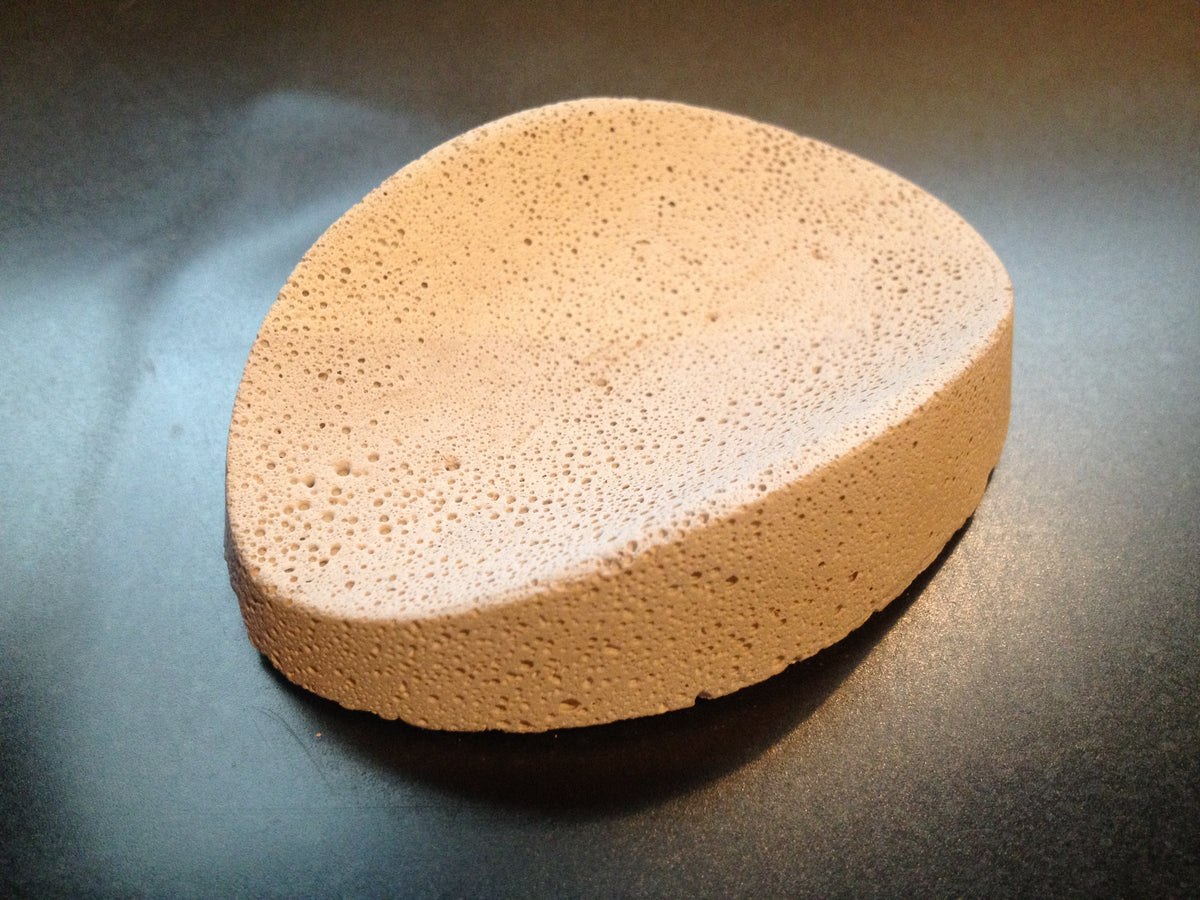
Brightwell Xport Clam Hammock 3" x 2.25" 20 pack
Brightwell Xport Clam Hammock 3" x 2.25" 20 pack
Couldn't load pickup availability
ClamHammock
Zooxanthellate Marine Bivalve Bed Composed of Xport-Ca
Overview
• Combines the benefits of vast surface area and intelligent design with a high-purity aragonite component to keep Tridacnid clams and their allies cradled, facing aquarium lighting, and off of the aquarium substrate.
• Open, porous “foamed aragonite” composition is readily and rapidly adhered to by bivalves.
• Simplifies placement of zooxanthellate clams, and enables relocation without undue risk of damage to the tender foot or glands that cement the specimen into place.
• Enables unhindered growth small cultured specimens to reach large proportions in captivity.
• Average surface area of 500,000 ft2 per cubic foot (~1,900 m2 per L, ~150 ft2 per gram) encourages colonization by beneficial nitrifying bacteria, resulting in rapid and efficient conversion of ammonia into nitrite and nitrate and further enhancing the stability of nutrient concentrations in reef systems.
• Rapidly encrusted with coralline algae, causing the hammock to blend seamlessly with mature live rock in a matter of weeks under normal reef water and lighting conditions.
• Researched, designed, and made in the USA of US-sourced, high-quality ingredients.
Technical Background
Combining the benefits and cutting-edge technology of fluorescent cyanoacrylate (which clearly shows the rate of coral tissue growth following propagation when illuminated under actinic light sources) and Xport-Ca, an aragonite-based version of NanoIntelex Xport filtration media (all of which is made in our private factory in the United States), Brightwell Aquatics introduces the R.E.E.F. Frag system. The goal is simple: to improve productivity, use of spatial and monetary resources, and consequently the bottom line of coral and zooxanthallate clam farmers. 100% researched, designed, and made in the USA of US-sourced, high-quality ingredients.
The acronym, “R.E.E.F.”, stands for Responsible, Ecologically-Ethical Fragging. As stewards of natural marine habitats through ethical reef aquarium husbandry practices and responsible selection of aquarium inhabitants as their care requirements are met, and hopefully exceeded, by the capabilities of the aquarium that they are being placed into, the fate of many species’ long-term survival on our planet may literally be in the hands of those who understand their needs best: recreational and professional aquarists.
Xport-Ca HemiXSpheres, HeXiDiscs, R.E.E.F. Plates, and ClamHammocks combine the benefits of vast surface area and intelligent design with a high-purity aragonite component to maximize the aquarist’s use of available space in coral and clam culture systems, while maximizing the growth rate potential of coralline algae, yielding shorter grow out to market than when using conventional plugs. The hemispherical shape of HemiXSpheres is conducive to growing multiple colonies on the same piece. The hexagonal shape of HeXiDiscs permit close placement on flat surfaces to maximize use of available surface area in grow out systems; this is far better utilization of space than is provided by frag plugs or discs with circular or radius shapes to the glued surfaces. The spacious surface area of R.E.E.F. Plates enables them to be used as a large frag-placement platform, as advanced biofiltration material in an external filtration system, or as a covering on the bottom and/or sides of an aquarium to provide a natural appearance in combination with the most surface area per gram of any filtration media on the planet at the time of this writing. The size and shape of ClamHammocks keeps Tridacnid clams and their allies cradled, facing aquarium lighting, and off of the aquarium substrate; the open, porous “foamed aragonite” composition is readily and rapidly adhered to by bivalves. This item simplifies placement of zooxanthellate clams, and enables relocation without undue risk of damage to the tender foot or glands that cement the specimen into place, and enables unhindered growth of small cultured specimens to reach large proportions in captivity. The average surface area of Xport-Ca material is 500,000 ft2 per cubic foot (~1,900 m2 per L, ~150 ft2 per gram), which encourages colonization by beneficial nitrifying bacteria, resulting in rapid and efficient conversion of ammonia into nitrite and nitrate and further enhancing the stability of nutrient concentrations in grow out systems.
Brightwell Aquatics encourages all those maintaining closed-system marine aquaria to do their part by: propagating corals; breeding marine ornamental fishes; and by supporting individuals and businesses who are involved in those pursuits, whenever possible. Maintain pathogen-free reef systems by exercising sound judgment when purchasing or bartering for corals. When in doubt, dip corals in MediCoral.
Instructions and Guidelines
Rinse surface dust off of ClamHammock by immersing it aquarium water and agitating until no more dust appears to fall from the piece; this will seed the piece with beneficial bacterioplankton. ClamHammock may be left in the aquarium until needed, to seed with nitrifiers and/or coralline algae. To successfully introduce a zooxanthellate clam to the ClamHammock, place the bivalve in the approximate center of the concave radius, flat-side down, in an area of low water flow and adequate illumination. The clam requires adequate time in this low energy environment to adhere to the ClamHammock, so resist temptation to move the clam for 5 days following this initial placement. When it is apparent that the clam has attached to the ClamHammock, then both may be moved by gently picking the ClamHammock (not picking both up by grasping the clam) up and moving it into the desired location.
While we make every effort to ensure that ClamHammock(s) will arrive undamaged, rough handling during shipping may occassionally result in breakage. Fortunately, the pieces may be easily repared with R.E.E.F.-Fuze FCA or another fast-drying, aquarium-safe adhesive, by applying a small amount of the adhesive to one of the two mating surfaces, then holding them together for a few seconds, or until the adhesive has set and the repair is durable. The growth of coralline algae over a previously-damaged ClamHammock will further solidify the structure.
Collapsible content
LIGHT
LOW: Place coral at the bottom of the tank. Depending on the type, coral may need to be placed off sand and therefore mounted on a ceramic disc of piece of rock.
MEDIUM: Place coral at mid-range of the tank. Best placed/glued on top of a rock scape at mid-range height.
HIGH: Place coral from mid range to just below water level. SPS coral are shallow growing so they require and are able to tolerate intense light.
FLOW
LOW: Most soft coral do well with a small, gentle pulse. There are certain corals that can even be placed in areas of indirect flow, meaning places aside a rock structure or set into a entrance to a cave style space.
MEDIUM: Many LPS types of coral prefer medium pulse current. Most Euphyllia or corals that have more tissue structure connected to their skeleton, don’t like to be in a high flow area like the direct flow of the wave pump.
HIGH: Similar to high light, SPS enjoy being in some heavy current. Most LPS and SPS that branch encrust or plate prefer high flow that simulates the top water waves.
SKILL
ENTRY: While some may say beginner level, "Entry" is a good term to be used when starting out in the world of corals and marine life. Prior to adding livestock, you want to ensure that your reef has the proper parameters including zero levels of ammonia and nitrite. Seeing traces of nitrate in your waters is a good sign - just keep them at a lower level of 2ppm to 10ppm. Maintaining correct temperature and salinity are a huge factor to stable parameters. Starting to monitor your PH, alkalinity, calcium and magnesium is a great habit to get into to keep a successful reef.
While some soft coral don’t require too much light, having a proper reef light that puts out the proper pars is very important. You'll also want to have a good amount of flow and protected rock areas, as placing corals in their happy spot is ideal for success.
ADVANCED: